Understanding the Intricacies of Jueteng: An In-depth Exploration of "JL16"
What is Jueteng?
Jueteng is an illicit numbers game that is deeply woven into the socio-economic fabric of the Philippines. Despite being illegal, this game flourishes in many parts of the country. It is a play on chance where participants choose a combination of numbers hoping to match the drawn results and win cash prizes. The simplicity of the game, coupled with the opportunity to gain financially, has contributed to its widespread popularity and persistence.
Interestingly, a keyword often associated with modern discussions surrounding jueteng is "JL16." This has brought new dimensions to conversations, though the specific significance remains subject to varying interpretations depending on the context and region.
The Mechanics of Jueteng
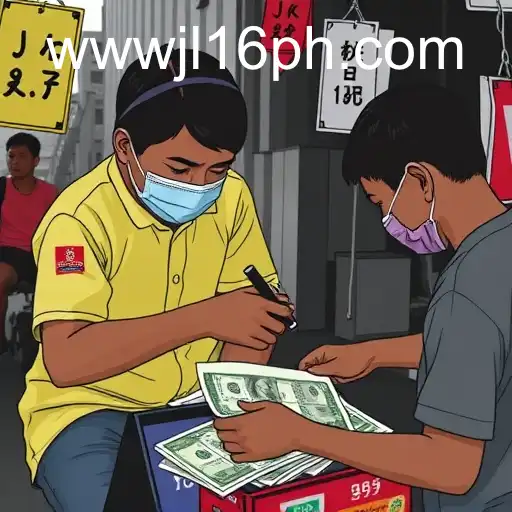
At its core, jueteng operates through a decentralized network. Local bet collectors, known as cobrador, wander neighborhoods collecting wagers from bettors. These wagers are typically small, making the game accessible to the everyday person. The collected bets are forwarded to central figures called kabos or coordinators, who organize the draws and distribute the winnings.
The numbers drawn are often pseudo-randomly generated using a variety of methods. Some use traditional small wooden balls marked with numbers, while others have adopted modern technologies. The allure of jueteng lies in its simplicity and the fact that, unlike official state lotteries, it offers frequent draws and quicker chances for winning.
Economic Impact
Jueteng serves as both a source of livelihood and a financial pitfall for many involved. On the one hand, cobrador and kabos earn from commission and service fees paid by bettors, providing them with steady, albeit illegal, employment. Conversely, habitual bettors may suffer financial detriment, with small losses adding up over time and marginalizing already economically disadvantaged communities.
Jueteng's Social Implications
The social implications of jueteng are profound. The illegal nature of the game forces its operations into the shadows, making it vulnerable to control by local power figures and gangs who utilize these networks for their personal gain. This can lead to corruption, as briberies and payoffs to local authorities frequently arise to ensure continued operations without interference.
"JL16" has become a notable term within these contexts, suggesting coded language or cryptic communication utilized among the involved parties to maintain secrecy and organization without drawing legal attention. Understanding these intricacies fosters insight into how jueteng adapts within ever-changing legal and societal frameworks.
Jueteng and Politics
In the Philippines, jueteng has been a political hot potato, implicated in various corruption scandals implicating high-ranking political figures. It contributes to the political machinery by reportedly funding campaigns and buying influence. This relationship often complicates law enforcement actions, as political considerations clash with efforts to eradicate the practice.
Politicians, particularly in the countryside, can sometimes turn a blind eye to jueteng operations. They may excuse it as a traditional past-time, while critics argue it undermines respect for the rule of law and sustains poverty by diverting money that could be spent on essentials.
Legal and Law Enforcement Challenges
Efforts to tackle jueteng encounter many challenges. Legislation against illegal gambling exists; however, implementation is inconsistent. The decentralized nature of the game and the cultural acceptance in some communities impede systematic crackdowns. Furthermore, law enforcement agencies often lack resources or face institutional corruption, which hinders the effectiveness of anti-gambling campaigns.
Attempts to legalize and regulate jueteng have arisen, arguing that harnessing the revenue potential could benefit national infrastructure and welfare programs. However, many remain wary of legitimizing a game known for fostering dependency and poor financial habits among its participants.
Technological Innovations and Jueteng
With advancements in technology, traditional forms of jueteng have seen a transformation. Mobile technology, for example, has streamlined the betting process. While still illegal, certain enclaves have observed the evolution of jueteng into virtual platforms, where transactions occur digitally, bypassing physical interactions altogether.
"JL16" in this light may pertain to specific codes or algorithms used within digital jueteng, hinting at the ongoing modernization of this deeply rooted practice. The adaptation of jueteng to include technology poses new challenges for law enforcement, necessitating updated strategies to combat its flourishing underground economy.
Cultural Considerations
Jueteng's endurance can also be attributed to its cultural engrainment. It is more than just a numbers game; it is a social activity that fosters a sense of community and tradition. It occupies a unique space in Filipino society where locals gather to interact, hope, and dream of financial windfalls that could alter their lives.
This cultural significance complicates efforts to fully eradicate jueteng, as any attempts at delegation or substitution with official lotteries are met with resistance. The challenge lies in transforming these cultural perceptions while addressing the socio-economic needs that jueteng attempts to fulfill.
Jueteng: The Path Forward
Navigating the complex situation surrounding jueteng requires a multifaceted approach. Community involvement, educational outreach, and economic alternatives must play essential roles in redirecting the populace away from illegal gambling. Encouraging transparency and accountability with authorities could dismantle the networks allowing jueteng to thrive.
Whether deciphering the implications of "JL16" or tackling the broader jueteng issue, the resolution is intertwined with broader social reforms. As such, examining jueteng offers insights into Philippine society's strengths, challenges, and opportunities for growth. Understanding and addressing these elements can pave the way for meaningful and lasting changes.